
Your business is growing — but is it legally ready for growth?
Picture this. You're 24. You start something small, from your bedroom or a corner of the living room. Maybe it's an online store, a design studio, a software product, a small trading unit, or a marketing services business. In the beginning, it's simple. The first client pays into your personal account. Then a second. Then a third.
Somewhere along the way, weekends stop feeling like weekends. You hire your first team member. You rent a small office. The business is no longer a side project — it's real.
Then, one ordinary Tuesday, someone asks a question you weren't ready for:
“Can you share your Certificate of Incorporation and GST registration?”
A bank asks for it while processing your loan. A large client asks for it before signing a contract. An investor asks for your shareholding pattern before writing a cheque.
And that's the moment it hits you: your business is earning revenue, but it has no legal identity.
Why This Happens to Almost Every Founder
It's not a mistake — it's a pattern. Early-stage founders are (rightly) obsessed with the product, the first sale, the first client. Legal structure feels like paperwork for “later.” But “later” usually arrives the moment someone else's due diligence process demands it — and by then, you're solving it under pressure, not by choice.
Why Registration Isn't Just a Formality
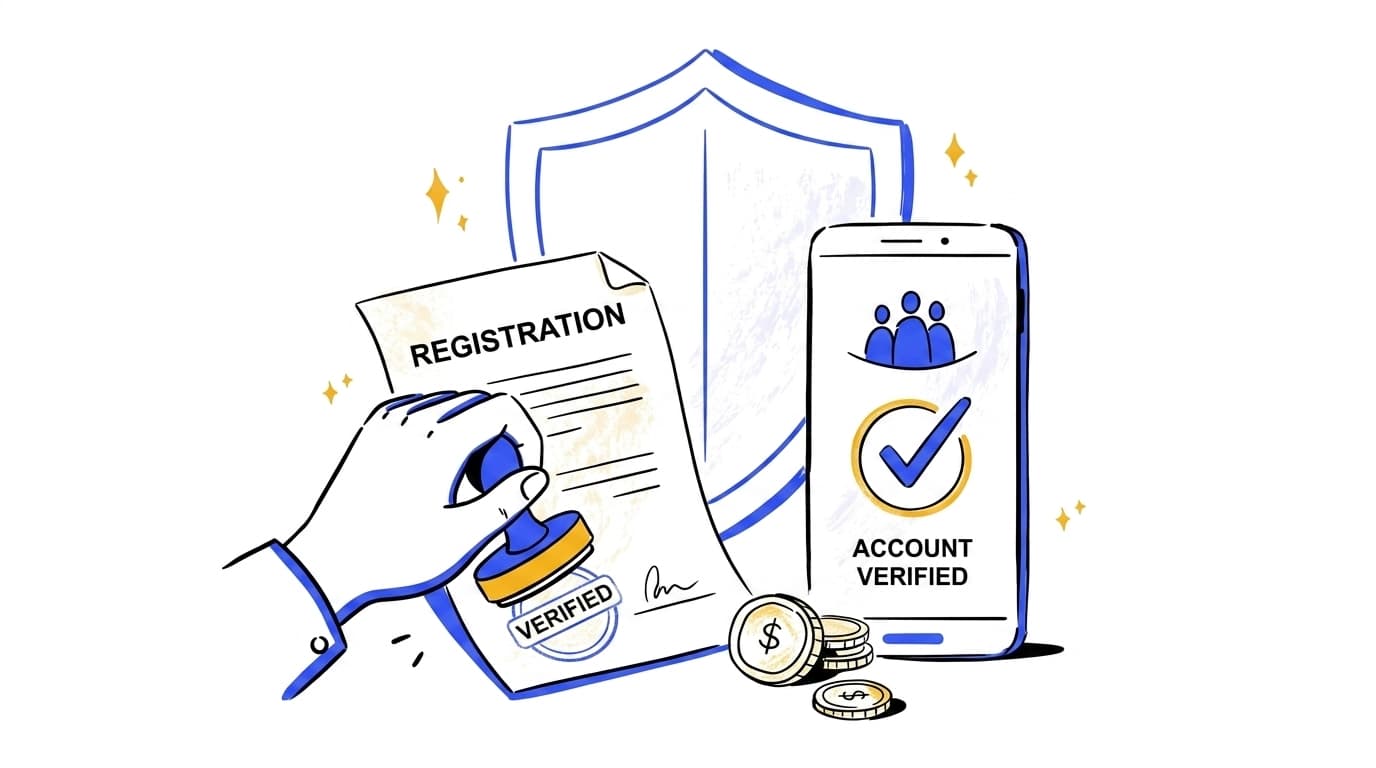
A registered business isn't a certificate you file away. It's infrastructure. It's what lets you:
- Build trust — customers and clients take a registered entity more seriously than a personal UPI ID
- Raise funds — no investor writes a cheque to an individual running a “business”
- Open a business bank account — and finally stop mixing personal and business money
- Access loans and government schemes — most require a registered entity as a precondition
- Sign contracts with confidence — enforceable agreements need a legal party on each side
- Separate personal and business liability — so a business setback doesn't become a personal one
- Look the part — a professional brand image that matches the professional work you're already doing
If you're building something you intend to still be running in five years, legal identity isn't optional. It's the foundation everything else stands on.
So Where Do You Actually Start?
That depends entirely on where you are right now. Not every founder needs the same thing on day one — and getting this sequencing right saves both time and money.
Which stage are you at?
Just starting out, haven't registered anything yet
You need the right structure for your situation — Private Limited Company, LLP, OPC, or Partnership — chosen based on funding plans, liability, and tax treatment, not guesswork.
Already earning, but everything runs through a personal account
You likely need GST registration and a formal entity structure before your next big client or your next tax filing catches up with you.
Hiring your first team, signing your first big client
You need contracts, offer letters, and vendor/client agreements that actually hold up — not templates copied from the internet.
Talking to investors or planning to scale
You need your shareholding, compliance filings, and statutory records in order before due diligence starts, not during it.
Already registered, but compliance has taken a back seat
You need a compliance health check — ROC filings, statutory registers, and annual returns don't pause just because you got busy.
Every one of these is a different starting point, and each needs a different first step. If you can see yourself in one of the boxes above, that's usually the right place to begin.
Which stage sounds like you? Reach out to us — happy to point you in the right direction, no matter how early or messy things currently are.
Not sure which step is yours?
Whether you're just starting out or already registered and behind on compliance, we can help you find the right first step.